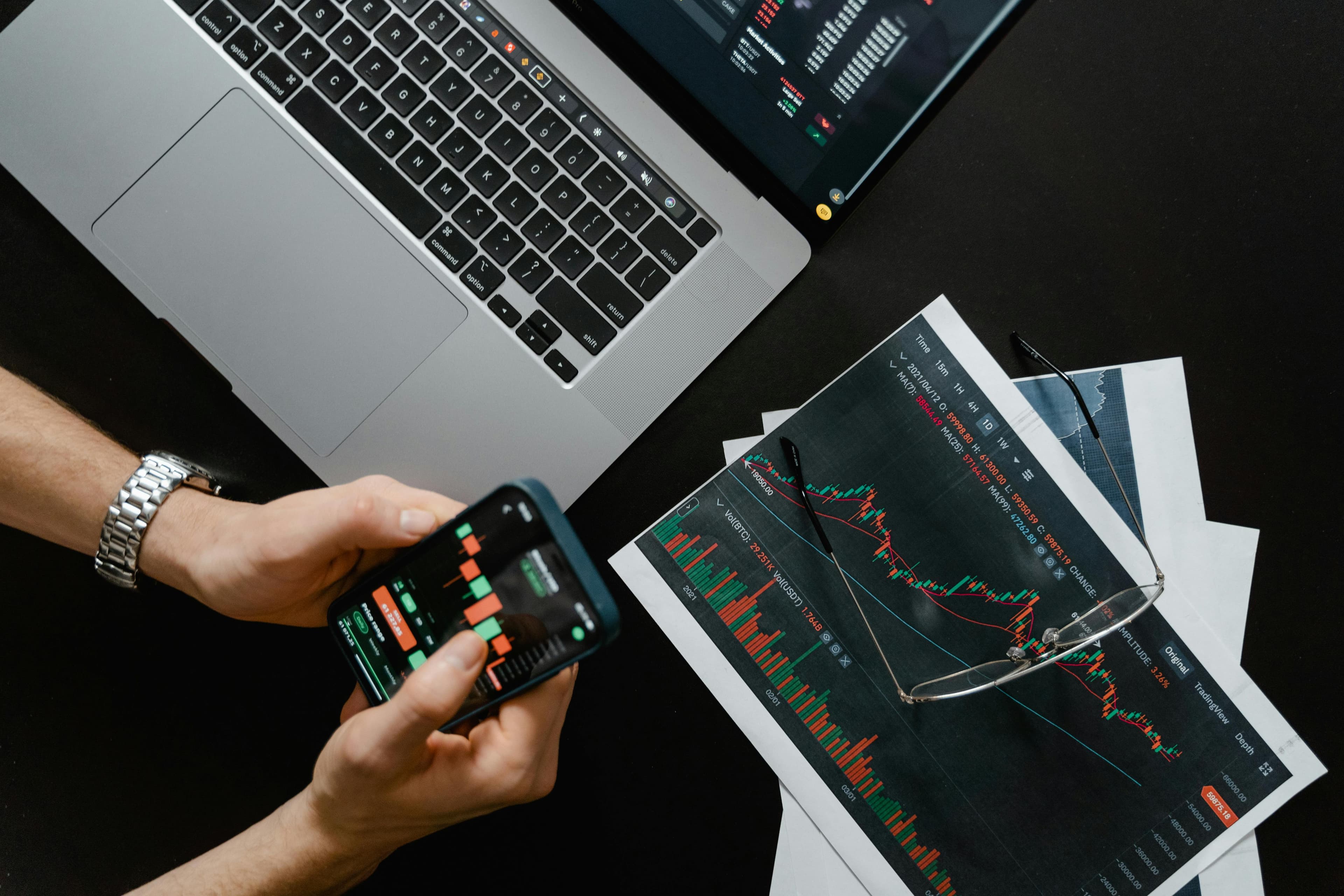
What is NFT? Non-Fungible Token Explained
Complete NFT guide covering blockchain technology, use cases (art, collectibles, gaming), marketplaces, how to buy/sell NFTs, valuation, risks, and future potential.
In the rapidly evolving digital economy, a revolutionary technology has emerged that fundamentally changes how we think about ownership, authenticity, and value in the digital realm. Non-Fungible Tokens, or NFTs, have exploded from a niche technology concept into a multi-billion dollar market that's reshaping industries from art and music to gaming and real estate.
Whether you're an artist looking to monetize digital creations, a collector seeking unique digital assets, a gamer exploring play-to-earn opportunities, or simply curious about this transformative technology, understanding NFTs is increasingly important in today's digital landscape. This comprehensive guide will walk you through everything you need to know about NFTs: what they are, how they work, why they matter, and how you can participate in this growing ecosystem.
NFTs at a Glance
Market Size (2024)
$15+ Billion
Global NFT market value
Top Sale
$91.8 Million
Pak's "The Merge" (2021)
Primary Blockchain
Ethereum
~80% of NFT volume
Common Use Cases
Art, Gaming, Music
Plus collectibles & more
Key Insight: NFTs represent provable ownership of unique digital items on blockchain networks
What is an NFT? Understanding Non-Fungible Tokens
An NFT, or Non-Fungible Token, is a unique digital asset that represents ownership or proof of authenticity of a specific item or piece of content, recorded on a blockchain. Unlike cryptocurrencies such as Bitcoin or Ethereum, which are fungible (meaning each unit is interchangeable with any other unit), NFTs are one-of-a-kind or part of a limited series, making each token distinct and non-interchangeable.
Think of it this way: a dollar bill is fungible—any dollar can be exchanged for any other dollar, and they hold the same value. But a painting by Picasso is non-fungible— there's only one original, and it cannot be directly exchanged for another painting on a one-to-one basis because each artwork is unique. NFTs bring this concept of unique ownership and scarcity into the digital world.
Breaking Down the Term "Non-Fungible Token"
Let's dissect the terminology to understand what NFTs truly represent:
- Non-Fungible: This means the item is unique and cannot be replaced with something else. Unlike Bitcoin, where one BTC equals another BTC, each NFT has distinct properties that make it different from every other NFT.
- Token: A token is a digital certificate of ownership stored on a blockchain. It represents something valuable and can be bought, sold, or traded. The token itself contains information about the asset it represents and its ownership history.
When combined, a non-fungible token is essentially a digital certificate that proves you own something unique—whether that's a piece of digital art, a video clip, a music album, a virtual real estate plot, or even a tweet. The blockchain serves as the permanent, tamper-proof ledger that verifies this ownership.
What Makes NFTs Different from Regular Digital Files?
This is where many people get confused. You might ask: "Can't I just screenshot a digital artwork or download an MP3 file? What makes the NFT version special?" This is a crucial question that gets to the heart of what NFTs represent.
Yes, anyone can copy a digital file—you can screenshot a Beeple artwork or download a song. However, the NFT isn't just about the file itself; it's about verifiable ownership and authenticity. When you own an NFT, you own a cryptographically verified certificate that proves you possess the original or an authorized version of that digital item.
Compare this to physical art: anyone can buy a poster print of the Mona Lisa, but there's only one original hanging in the Louvre. The poster might look similar, but it doesn't carry the value, provenance, or prestige of owning the authenticated original. NFTs create this same dynamic in the digital realm, where copying has traditionally been trivial and indistinguishable from the original.
How Do NFTs Work? The Technology Behind Non-Fungible Tokens
Understanding how NFTs function requires a basic grasp of blockchain technology and smart contracts. Don't worry—we'll break this down into digestible concepts that anyone can understand.
The Blockchain Foundation
NFTs exist on blockchain networks—distributed digital ledgers that record transactions across many computers. The most popular blockchain for NFTs is Ethereum, though others like Solana, Polygon, Flow, and Tezos also support NFT creation and trading.
When an NFT is created (a process called "minting"), a unique record is written to the blockchain. This record contains:
- Token ID: A unique identifier that distinguishes this NFT from all others
- Contract Address: The smart contract that governs the NFT's properties and behavior
- Metadata: Information about the NFT including its name, description, and where the associated file (image, video, audio) is stored
- Ownership History: A complete, transparent record of every owner and transaction involving this specific token
This blockchain record is permanent and cannot be altered or deleted, providing an immutable proof of authenticity and ownership history—something that's never been possible for digital assets before.
Smart Contracts: The Rules That Govern NFTs
Smart contracts are self-executing programs stored on the blockchain that automatically enforce agreements without intermediaries. For NFTs, smart contracts define the rules and properties of the tokens.
Common smart contract standards for NFTs include:
- ERC-721: The original NFT standard on Ethereum, where each token is completely unique
- ERC-1155: A multi-token standard that allows both fungible and non-fungible tokens in a single contract, commonly used in gaming
- SPL: The token standard on Solana blockchain, known for lower fees and faster transactions
Smart contracts also enable powerful features like royalties. An artist can program their smart contract so that every time the NFT is resold, they automatically receive a percentage (typically 5-10%) of the sale price. This creates ongoing revenue streams for creators—something that's never existed in traditional art markets where artists typically only profit from the initial sale.
Where Are the Actual Files Stored?
Here's an important technical detail many people misunderstand: the NFT on the blockchain doesn't usually contain the actual image, video, or audio file. Instead, it contains a reference (typically a URL or hash) pointing to where that file is stored.
Files are commonly stored in three ways:
- IPFS (InterPlanetary File System): A distributed storage network that creates permanent, unique addresses for content. This is considered the most secure and permanent option.
- Centralized servers: Some projects store files on traditional web servers, which is less permanent but cheaper and easier.
- On-chain: Some NFTs store data directly on the blockchain (rare and expensive, but completely permanent and decentralized).
The storage method matters for long-term preservation. If an NFT points to a centralized server that goes offline, the image might disappear—though you'd still own the token itself. This is why serious NFT projects prefer IPFS or on-chain storage.
What Are NFTs Used For? Real-World Applications and Use Cases
While NFTs burst into public consciousness primarily through high-profile digital art sales, their applications extend far beyond art galleries. Let's explore the diverse ways NFTs are being used across industries.
Digital Art and Visual Creativity
Digital art was the breakthrough application that brought NFTs into the mainstream. Artists can now sell original digital works with verified authenticity and scarcity, something previously impossible in a world where digital files could be perfectly copied infinite times.
Why This Matters for Artists:
- Direct monetization: Artists can sell directly to collectors without galleries taking large commissions (often 50% or more)
- Ongoing royalties: Smart contracts can ensure artists receive percentages of future resales automatically
- Global reach: Digital artists can reach collectors worldwide instantly, not just those who can visit physical galleries
- Provenance tracking: Complete ownership history is permanently recorded and publicly verifiable
Notable examples include Beeple's "Everydays: The First 5000 Days" selling for $69 million at Christie's auction house, legitimizing NFT art in traditional art circles. Artists like Pak, XCOPY, and FEWOCiOUS have earned millions selling their digital creations as NFTs.
Collectibles and Trading Cards
Digital collectibles represent one of the most successful NFT categories. Projects like CryptoPunks (10,000 unique pixel art characters) and Bored Ape Yacht Club have become status symbols, with individual tokens selling for hundreds of thousands or even millions of dollars.
These projects often combine art with community membership. Owning a specific NFT grants access to exclusive communities, events, merchandise, and future benefits— creating utility beyond just visual appeal.
Sports collectibles have also embraced NFTs. NBA Top Shot sells officially licensed video highlights as NFTs, creating a digital equivalent to physical trading cards. Fans can own "moments" from their favorite games, with rare plays commanding premium prices.
Gaming and Virtual Worlds
Gaming represents perhaps the most promising long-term use case for NFTs. In traditional games, players spend money on in-game items—skins, weapons, characters—but they don't truly own these items. The game company controls everything, and items can't be transferred between games or sold to other players.
NFTs change this paradigm entirely:
- True ownership: Players actually own their in-game items as NFTs that exist independently of any single game
- Play-to-earn: Games like Axie Infinity allow players to earn money by playing, with in-game items as tradeable NFTs
- Interoperability potential: NFT items could theoretically be used across multiple games that support the same standards
- Player economies: Real economic ecosystems emerge where players buy, sell, and trade items with real value
Virtual worlds like Decentraland and The Sandbox sell virtual land as NFTs. Owners can build experiences, host events, display art, or rent/sell their property. Virtual real estate parcels have sold for millions of dollars as brands and individuals stake claims in the metaverse.
Music and Entertainment
Musicians are using NFTs to revolutionize how they connect with fans and monetize their work. NFT albums, singles, or special editions offer new revenue streams beyond streaming services that pay fractions of a cent per play.
How Musicians Use NFTs:
- Limited edition releases: Exclusive versions of albums or songs sold directly to fans
- Fan engagement: NFT holders might get backstage passes, meet-and- greets, or exclusive content
- Royalty sharing: Some artists offer NFTs that include revenue sharing from streaming or licensing
- Concert tickets: NFT tickets prevent scalping and can include transferable perks
Kings of Leon became one of the first major bands to release an album as an NFT, generating over $2 million. Electronic music artists have been particularly active, with DJs and producers finding enthusiastic audiences in the crypto-native community.
Domain Names and Digital Identity
Blockchain domain names like those from Ethereum Name Service (ENS) or Unstoppable Domains are NFTs. Instead of complex wallet addresses (like 0x1234...5678), you can use human-readable names like "yourname.eth."
These domain NFTs serve multiple purposes:
- Simplified cryptocurrency transactions (send funds to a name instead of a long address)
- Decentralized websites that can't be censored or taken down
- Digital identity across blockchain applications
- Investment assets (premium domain names have resold for substantial sums)
Utility NFTs: Memberships, Tickets, and Access
Beyond art and collectibles, NFTs serve practical utility functions:
- Event tickets: NFT tickets can't be counterfeited, can be verified instantly, and can include resale limits to prevent scalping
- Memberships: Exclusive clubs use NFTs as membership cards, granting access to communities, services, or physical spaces
- Certificates and credentials: Educational degrees, professional certifications, and achievements can be issued as verifiable NFTs
- Loyalty programs: Brands create NFT-based rewards programs where tokens unlock discounts, exclusive products, or VIP experiences
Real-World Asset Tokenization
An emerging use case involves representing physical assets as NFTs:
- Real estate: Property deeds as NFTs could simplify transfers and enable fractional ownership
- Luxury goods: High-end watches, handbags, or sneakers paired with NFTs for authentication
- Supply chain tracking: NFTs documenting the journey of products from manufacture to consumer
How to Buy and Sell NFTs: A Practical Guide
Interested in purchasing or selling NFTs? The process has become much more user-friendly, though it still requires some technical setup. Here's your step-by-step guide to getting started.
Step 1: Set Up a Cryptocurrency Wallet
Before you can buy NFTs, you need a digital wallet that supports the blockchain where the NFTs exist. Most NFTs are on Ethereum, so you'll need an Ethereum-compatible wallet.
Popular Wallet Options:
- MetaMask: The most popular browser extension wallet, easy for beginners, works with most NFT marketplaces
- Coinbase Wallet: Mobile-friendly wallet from the trusted Coinbase exchange
- Rainbow: Mobile wallet with excellent user interface, particularly good for NFT collectors
- WalletConnect: Not a wallet itself, but a protocol that lets you connect various wallets to applications
When setting up your wallet, you'll receive a "seed phrase" (usually 12-24 words). This is critically important—it's the master key to your wallet. Write it down on paper, store it securely, and never share it with anyone. If you lose this phrase and something happens to your wallet, your NFTs and cryptocurrency are gone forever with no way to recover them.
Step 2: Fund Your Wallet with Cryptocurrency
Most NFTs are purchased with cryptocurrency, typically ETH (Ethereum) since most NFTs exist on the Ethereum blockchain. You'll need to:
- Buy cryptocurrency: Purchase ETH from an exchange like Coinbase, Kraken, or Binance using your credit card or bank account
- Transfer to your wallet: Send the ETH from the exchange to your wallet address (this is like your account number)
- Keep extra for gas fees: Blockchain transactions require "gas fees" to process. Always keep more ETH than the NFT price to cover these fees, which can range from a few dollars to hundreds during network congestion
Step 3: Choose an NFT Marketplace
NFT marketplaces are platforms where NFTs are listed, bought, and sold. Different marketplaces serve different purposes and communities.
Major NFT Marketplaces:
- OpenSea: The largest and most popular NFT marketplace, offering millions of NFTs across all categories. Supports Ethereum, Polygon, and other chains. Best for beginners due to its user-friendly interface and comprehensive selection.
- Rarible: Community-owned marketplace with its own governance token (RARI). Offers similar range to OpenSea with focus on rewarding active users.
- Foundation: Curated platform focused on digital art, invite-only for artists initially. Higher-end art community with emphasis on quality.
- SuperRare: High-end digital art marketplace, very selective about artists. Single-edition artworks, more like a traditional art gallery.
- Magic Eden: Leading marketplace for Solana-based NFTs, known for lower fees and faster transactions than Ethereum platforms.
- LooksRare: Ethereum NFT marketplace that rewards traders with its LOOKS token, competing directly with OpenSea.
- Blur: Pro trader-focused marketplace with advanced features, portfolio tracking, and aggregated listings from multiple platforms.
Step 4: Connect Your Wallet to the Marketplace
Once you've chosen a marketplace, you'll need to connect your wallet:
- Click "Connect Wallet" on the marketplace website
- Select your wallet type (e.g., MetaMask)
- Approve the connection in your wallet (this doesn't give access to your funds, just allows interaction)
- Your wallet is now linked—you'll see your wallet address and balance displayed
Step 5: Browse and Purchase NFTs
Now you're ready to shop! NFTs can be purchased in several ways:
- Fixed price: Buy immediately at the listed price, like regular online shopping
- Auction: Place bids during a timed auction period, highest bid wins
- Make an offer: Submit an offer below the asking price, which the seller can accept or reject
When you find an NFT you want:
- Click on the NFT to view full details, including ownership history and properties
- Verify authenticity—check for verification badges on the collection
- Click "Buy Now" or "Place Bid"
- Approve the transaction in your wallet
- Pay the NFT price plus gas fees
- Wait for blockchain confirmation (usually 15 seconds to a few minutes)
- The NFT appears in your wallet and profile
How to Sell NFTs
Selling NFTs follows a similar process:
- List your NFT: Go to your profile, select the NFT, and click "Sell"
- Choose sale type: Fixed price, timed auction, or accept offers
- Set your price: Enter the price in ETH (or the relevant cryptocurrency)
- Set duration: How long the listing will be active
- Pay listing fee: Some marketplaces charge a gas fee to list (first time only)
- Confirm transaction: Approve in your wallet
When someone purchases your NFT, the payment (minus marketplace fees and any creator royalties) is automatically deposited to your wallet.
Understanding NFT Risks: What You Need to Know Before Investing
While NFTs offer exciting opportunities, they also come with significant risks. Before investing your money, understanding these risks is crucial for making informed decisions and protecting yourself.
Market Volatility and Speculation
The NFT market is extremely volatile and highly speculative. Prices can fluctuate wildly based on hype, trends, and market sentiment rather than intrinsic value.
Key Risks:
- Bubble dynamics: NFT prices often rise based on speculation rather than fundamental value, creating bubble conditions that can pop dramatically
- Illiquidity: Unlike stocks or cryptocurrencies, NFTs can be difficult to sell quickly. You might not find a buyer at your desired price, or any price at all
- Trend dependency: Collections can fall out of favor rapidly, losing most of their value as attention moves to newer projects
- No guaranteed value: There's no intrinsic value backing NFTs—they're worth only what someone else will pay
Scams and Fraud
The NFT space has unfortunately attracted numerous scammers targeting inexperienced users. Common scams include:
- Fake collections: Scammers copy popular NFT artwork and create fake collections that look legitimate but have no value
- Phishing: Fraudulent websites or messages asking for your wallet's seed phrase or private keys
- Rug pulls: Project creators hype their NFT collection, sell out, then abandon the project and disappear with the funds
- Wash trading: Artificially inflating prices by buying and selling between your own wallets to create appearance of demand
- Social media impersonation: Fake accounts pretending to be project founders offering free NFTs or fake giveaways
Protection Strategies:
- Always verify official collection links through multiple sources
- Never share your seed phrase with anyone, ever
- Be skeptical of "too good to be true" offers
- Check verification badges on marketplaces
- Research project teams and roadmaps before purchasing
Technical Risks
NFTs depend on technology infrastructure that can fail or have vulnerabilities:
- Smart contract bugs: Programming errors can be exploited by hackers or cause unexpected behavior
- Metadata hosting: If the server hosting your NFT's image goes down, the image might disappear (though you'd still own the token)
- Wallet security: If your wallet is hacked or you lose your seed phrase, your NFTs are gone forever with no recovery option
- Blockchain risks: The underlying blockchain could have technical issues, forks, or changes that affect NFTs
Legal and Regulatory Uncertainty
NFTs exist in a regulatory gray area in most jurisdictions:
- Unclear IP rights: Owning an NFT doesn't always mean you own the copyright to the underlying artwork
- Tax implications: NFT sales may be subject to capital gains taxes, but reporting requirements vary by jurisdiction
- Future regulations: Governments are still determining how to regulate NFTs, which could impact the market
- Securities concerns: Some NFTs might be classified as securities, subjecting them to stricter regulations
Environmental Concerns
Blockchain networks, particularly Ethereum historically, consume significant energy through mining operations. This environmental impact has been a major criticism of NFTs, though it's improving:
- Energy consumption: Proof-of-work blockchains use substantial electricity for transaction processing
- Carbon footprint: This energy often comes from fossil fuels, contributing to climate change
- Ethereum's solution: Ethereum's transition to proof-of-stake reduced energy consumption by ~99.95%
- Alternative chains: Blockchains like Solana, Tezos, and Flow use energy-efficient consensus mechanisms from the start
How Are NFTs Valued? Understanding Digital Asset Pricing
One of the most perplexing aspects of NFTs for newcomers is valuation. How can a JPEG image be worth $69 million? What makes one NFT valuable and another worthless? Unlike traditional assets with established valuation methods, NFTs combine art appraisal, collectibles markets, and speculative trading psychology.
Factors That Influence NFT Value
1. Creator Reputation and Provenance
Just like traditional art, who created the NFT significantly impacts its value. NFTs from established artists, celebrities, or respected creators command higher prices. Beeple's NFTs are valuable partly because he's a recognized digital artist with years of daily artwork creation.
Provenance—the ownership history—also matters. An NFT previously owned by a celebrity or prominent collector might be worth more than an identical one from the same collection.
2. Scarcity and Rarity
Limited supply drives value. NFT collections typically have fixed total supply (e.g., 10,000 pieces), and within that collection, certain traits are rarer than others.
For profile picture (PFP) collections like Bored Apes, specific attributes increase rarity and value:
- Unique background colors (1% of collection vs. 30% of collection)
- Rare accessories or clothing (e.g., only 3% have golden fur)
- Distinctive expressions or features
- Specific trait combinations that create visually striking or humorous results
Rarity tools analyze collections to calculate rarity scores, helping buyers identify the most unique pieces.
3. Utility and Benefits
NFTs offering utility beyond visual appeal often command premium prices:
- Community access: Exclusive Discord channels, events, or networking with other holders
- Future airdrops: Projects promise additional NFTs or tokens to holders
- Commercial rights: Some projects grant owners full commercial rights to use their NFT in products or marketing
- Gaming utility: NFTs usable in games as characters, items, or land
- Real-world perks: Access to physical events, merchandise, or services
4. Community and Cultural Significance
Strong, engaged communities increase NFT value. Projects with active Discord servers, regular holder events, and cultural momentum maintain higher floor prices than those with disengaged communities.
Cultural significance also plays a role. CryptoPunks are valuable partly because they're recognized as the first NFT profile picture project, giving them historical importance in the NFT movement.
5. Aesthetics and Artistic Merit
Subjective artistic quality matters, especially for 1/1 (one-of-one) art pieces. Skill, originality, emotional impact, and visual appeal all contribute to value, though these are highly subjective.
6. Market Momentum and Hype
Unfortunately, speculation and hype significantly influence NFT prices. When a collection trends on social media or gets celebrity endorsement, prices can skyrocket regardless of intrinsic merit. This makes timing crucial and increases volatility.
Valuation Metrics
Several metrics help assess NFT collection value:
- Floor Price: The lowest price at which you can buy any NFT from a collection. This is the most commonly cited metric.
- Trading Volume: Total value of transactions over a period, indicating market activity and liquidity
- Number of Holders: More unique holders suggest wider distribution and less concentration risk
- Sales Velocity: How frequently NFTs in a collection trade, indicating liquidity
- Average Sale Price: Mean price of recent sales, providing context beyond floor price
The Future of NFTs: Where Is This Technology Heading?
While NFTs have already made significant impact, we're still in the early stages of this technology. Where might NFTs go from here? What problems need solving, and what opportunities lie ahead?
Mass Adoption Barriers Being Addressed
Several obstacles currently limit NFT adoption, but solutions are emerging:
- High fees: Layer 2 solutions (Polygon, Arbitrum, Optimism) and alternative blockchains (Solana, Flow) offer transactions for pennies instead of dollars
- Complexity: Credit card purchases and custody solutions make buying NFTs as easy as regular online shopping
- Environmental concerns: Ethereum's shift to proof-of-stake and eco-friendly blockchains address energy consumption criticism
- User experience: Improved wallets and marketplaces hide blockchain complexity from end users
Emerging Use Cases
Beyond current applications, new use cases are developing:
- Digital fashion: Wearable NFTs for avatars in virtual worlds and augmented reality
- Decentralized social media: NFTs as verifiable identity and reputation systems
- Fractional ownership: High-value NFTs split into shares, enabling collective ownership of expensive assets
- Dynamic NFTs: Tokens that evolve based on conditions, user actions, or external data
- Real estate and property: Physical property titles as NFTs, simplifying transfers and enabling fractional ownership
Integration with Traditional Industries
Major brands and established companies are exploring NFTs:
- Nike: Acquired NFT studio RTFKT, creating digital sneakers and virtual clothing
- Adidas and Puma: Launched NFT collections and metaverse partnerships
- Coca-Cola and Pepsi: Released branded NFT collectibles
- Time Magazine and The New York Times: Experimented with NFT journalism and covers
- Major auction houses: Christie's and Sotheby's regularly feature NFT auctions
This mainstream adoption legitimizes the technology and brings it to wider audiences.
Regulatory Clarity Coming
Governments worldwide are working to create regulatory frameworks for NFTs. While regulation might initially constrain the wild west atmosphere, clear rules will ultimately benefit the ecosystem by:
- Reducing scams and fraud through enforceable standards
- Providing tax clarity for creators and collectors
- Enabling institutional investment with legal certainty
- Protecting intellectual property rights more effectively
The Metaverse Connection
NFTs are foundational to the metaverse vision—persistent virtual worlds where people socialize, work, and play. In the metaverse:
- NFTs represent virtual land, buildings, and spaces
- Digital fashion NFTs dress your avatar
- Art NFTs decorate virtual homes and galleries
- Virtual goods maintain value and ownership across platforms
- Digital identity is verified through NFT-based credentials
As virtual reality and augmented reality technologies mature, NFTs become the property system for these digital realms.
Challenges That Remain
Despite optimistic potential, significant challenges need addressing:
- Intellectual property confusion: Clearer standards needed for what rights NFT ownership conveys
- Interoperability: NFTs from different blockchains don't easily work together
- Long-term preservation: Ensuring NFT metadata and associated files remain accessible decades from now
- Market maturation: Transitioning from speculation to sustainable value creation
- Accessibility: Making technology approachable for non-technical users
Why Understanding NFTs Matters for Your Digital Future
Whether you're an investor, creator, collector, or simply a curious observer, NFTs represent a fundamental shift in how we think about digital ownership and value. Here's why this technology matters beyond the hype and headlines:
- Creator Empowerment: NFTs give artists, musicians, and creators direct access to global markets without gatekeepers. For the first time, digital creators can monetize their work with built-in scarcity and ongoing royalties. This fundamentally rebalances power from platforms and intermediaries back to creators.
- True Digital Ownership: In the current internet, you don't truly own anything digital—you rent access to platforms that control your content and can revoke it anytime. NFTs change this by creating verifiable, transferable ownership that exists independently of any single company or platform. You actually own your digital assets.
- New Economic Models: NFTs enable novel business models impossible in traditional systems. Play-to-earn gaming allows players to earn real income. Fractional ownership democratizes access to expensive assets. Programmable royalties create passive income for creators. These innovations point toward more equitable digital economies.
- Cultural Participation: NFTs allow anyone to participate in cultural movements and support creators they believe in, creating direct relationships between artists and audiences. Owning an NFT isn't just financial speculation—it's cultural patronage for the digital age.
- Metaverse Foundation: As we spend more time in virtual spaces, NFTs provide the property system for these digital worlds. Understanding NFTs now prepares you for increasingly digital-first futures where virtual goods have real value and utility.
Even if you never buy an NFT, this technology is reshaping digital commerce, online identity, creative industries, and virtual worlds. The principles of verifiable scarcity, provable ownership, and programmable assets will influence far more than just collectible art—they're building blocks for the next evolution of the internet.
Key Takeaways: Essential NFT Concepts to Remember
Let's summarize the most important concepts to take away from this comprehensive guide:
- NFTs are unique digital tokens on blockchains that prove ownership and authenticity of specific items, from art to music to virtual land
- Non-fungible means each token is unique, unlike Bitcoin or dollars which are interchangeable
- Blockchain technology provides permanent, transparent ownership recordsthat can't be altered or forged
- Smart contracts enable programmable features like automatic creator royalties on resales
- NFTs have diverse applications: digital art, collectibles, gaming items, music, virtual real estate, tickets, memberships, and more
- Major marketplaces include OpenSea, Rarible, Foundation, and others, each serving different communities and purposes
- Buying NFTs requires a crypto wallet and cryptocurrency, typically ETH for Ethereum-based NFTs
- Significant risks exist: market volatility, scams, technical vulnerabilities, illiquidity, and regulatory uncertainty
- NFT value depends on multiple factors: creator reputation, rarity, utility, community, aesthetics, and market momentum
- The technology is evolving rapidly with improving user experience, lower fees, mainstream adoption, and new use cases emerging constantly
- NFTs empower creators with direct monetization and ongoing royalties, fundamentally changing creator economics
- Understanding NFTs prepares you for the metaverse and increasingly digital-first future where virtual ownership matters
Related Topics on SpotMarketCap
Conclusion: Navigating the NFT Revolution
Non-Fungible Tokens represent one of the most significant innovations in digital technology, creating verifiable scarcity and ownership in realms where neither previously existed. While the initial wave of NFT mania focused heavily on speculation and eye-popping sale prices, the underlying technology has far-reaching implications that extend well beyond collectible art.
For creators, NFTs offer unprecedented opportunities to monetize digital work, maintain ongoing relationships with collectors, and earn royalties from secondary sales—benefits impossible in traditional creative industries. Musicians can bypass streaming services' minimal payouts, visual artists can sell directly to global audiences without gallery commissions, and game developers can create true player-owned economies.
For collectors and investors, NFTs provide access to new asset classes, cultural participation, and potential appreciation—though always with significant risks that must be carefully considered. The volatility, speculation, and scams in the space require due diligence, skepticism, and risk management. Not every NFT will appreciate; many will become worthless. Approach with caution and never invest more than you can afford to lose completely.
For everyone else, NFTs represent a glimpse into the future of digital commerce, virtual worlds, and online identity. As we spend increasing portions of our lives in digital spaces—whether social media, virtual reality, gaming, or emerging metaverse platforms—the question of digital ownership becomes crucial. NFTs provide the infrastructure for true ownership in these digital realms.
The technology is still maturing. User experience needs improvement, regulations require clarity, environmental concerns demand solutions, and use cases are still being discovered. But the fundamental innovation—verifiable digital scarcity and ownership through blockchain technology—solves real problems and unlocks genuinely new possibilities.
Whether NFTs ultimately transform into a foundational technology for the digital economy or remain a niche market for digital collectibles, understanding how they work, what they enable, and what risks they carry equips you to navigate an increasingly digital world. The principles of blockchain-verified ownership, smart contract programmability, and decentralized marketplaces will influence technology development for years to come.
As with any emerging technology, maintain healthy skepticism while remaining open to genuine innovation. Not every NFT project deserves your attention or money, but the technology itself represents a meaningful shift in how we think about digital value, ownership, and creativity. By understanding NFTs—their possibilities and their limitations—you're better positioned to participate in, evaluate, and benefit from the ongoing evolution of the digital economy.
Remember: NFTs are tools that enable new possibilities, not magic money-making machines. Approach with curiosity, caution, and critical thinking. Whether you're a creator exploring new revenue streams, a collector seeking unique digital assets, or simply an interested observer, understanding NFTs helps you navigate the future of digital ownership and value.
Track Real-Time Asset Prices
Get instant access to live cryptocurrency, stock, ETF, and commodity prices. All assets in one powerful dashboard.
Related Articles
What is Cryptocurrency Mining? Digital Currency Creation
Master cryptocurrency mining covering proof of work, mining hardware (ASICs, GPUs), mining pools, profitability factors, environmental concerns, and getting started guide.

What is Real Estate Investment? Property Investing
Complete guide to real estate investing covering rental properties, REITs, fix-and-flip, BRRRR strategy, returns, risks, and how to build wealth through property investment.

What is Private Equity? Non-Public Company Investing
Deep dive into private equity covering LBOs, growth equity, fund structures, 2-and-20 fees, returns, risks, and how to access this exclusive alternative investment asset class.