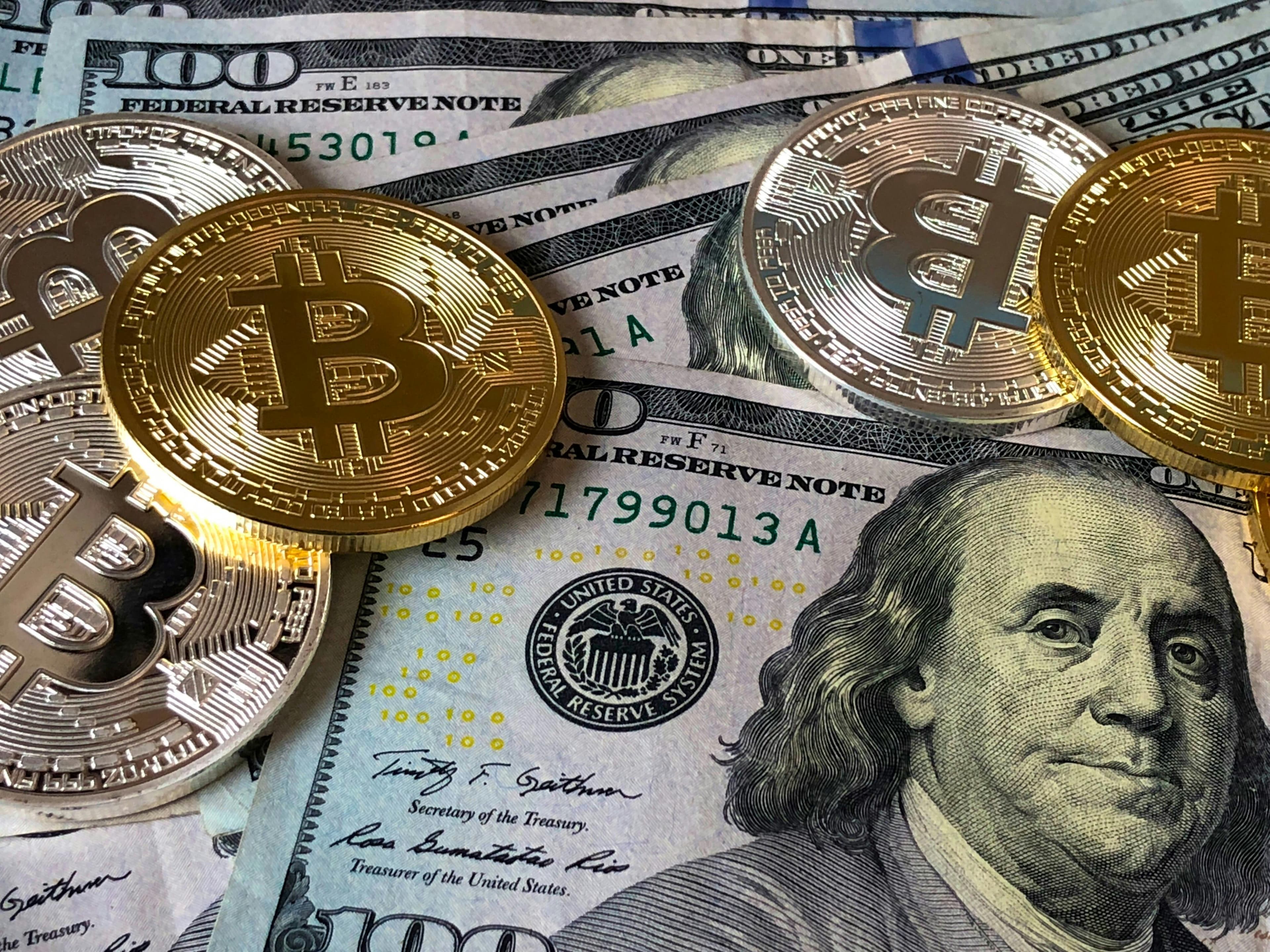
Bitcoin vs Gold vs Real Estate: Which Is the Best Store of Value?
Compare Bitcoin, gold, and real estate as stores of value. Analyze returns, volatility, liquidity, and inflation hedge properties to build the ultimate wealth preservation strategy.
The question of where to preserve wealth in an era of monetary uncertainty has never been more critical. With central banks having created trillions in new money since 2020, inflation eroding purchasing power, and geopolitical tensions rising, investors are increasingly looking beyond traditional stocks and bonds to true stores of value. Three assets dominate this conversation: Bitcoin, the revolutionary digital currency with a $1.8 trillion market cap; gold, humanity's monetary metal for 5,000 years with a $22 trillion market cap; and real estate, the world's largest asset class at a staggering $380 trillion market value.
Each asset brings fundamentally different characteristics to the store-of-value equation. Bitcoin offers mathematical scarcity and digital portability, gold provides tested stability and institutional trust, while real estate delivers tangible utility and passive income generation. Understanding how these assets perform across volatility, liquidity, inflation protection, and long-term appreciation is essential for building a resilient wealth preservation strategy in 2025 and beyond. This comprehensive analysis examines all three assets through the lens of what truly matters for protecting and growing your wealth.
Store of Value Comparison: At a Glance
| Metric | Bitcoin | Gold | Real Estate |
|---|---|---|---|
| Market Cap | $1.8 trillion | $22 trillion | $380 trillion |
| 2025 Performance | $25k → $100k+ → ~$80k | $3,300+ (record highs) | Steady appreciation |
| Volatility | 50-100% annual (high) | 10-20% annual (low) | 5-15% annual (low) |
| Liquidity | High (24/7 global) | Very High | Low (months to sell) |
| Supply Limit | 21 million (hard cap) | ~1.5-1.8% annual | Expandable |
| Income Generation | None (price appreciation) | None (price appreciation) | Yes (rental income) |
Bitcoin: Digital Gold for the 21st Century
Bitcoin has emerged as the most revolutionary store of value asset in modern financial history, combining absolute mathematical scarcity with borderless digital portability and decentralized control.
Core Characteristics and Advantages
Absolute Scarcity: The 21 Million Hard Cap
Bitcoin's defining feature is its mathematically enforced supply limit of 21 million coins. Unlike gold, where supply can increase with mining technology and price incentives, or real estate, where more properties can always be built, Bitcoin's supply is absolutely fixed by code enforced by tens of thousands of independent nodes worldwide. As of 2025, approximately 19.6 million bitcoins exist, with new issuance declining toward zero through periodic "halvings." This makes Bitcoin the first asset in human history with provable, unchangeable scarcity.
Digital Portability and Borderless Nature
Bitcoin can be transported across international borders instantly and at minimal cost by memorizing a 12-24 word seed phrase. You can carry $100 million in Bitcoin in your head, crossing any border without declaration, physical burden, or confiscation risk if properly secured. This portability is impossible for real estate and impractical for significant gold holdings, making Bitcoin unmatched for capital mobility and wealth preservation across jurisdictions.
Decentralization and Censorship Resistance
Bitcoin operates on a decentralized network with no central authority, making it resistant to government control, censorship, or confiscation. Properly secured Bitcoin in self-custody cannot be frozen, seized, or devalued by any single entity. This property becomes increasingly valuable as financial surveillance expands and capital controls tighten globally.
Bitcoin's 2025 Performance and Volatility Reality
Bitcoin's 2025 journey perfectly illustrates both its tremendous upside potential and significant volatility challenges. The asset rose dramatically from $25,000 to over $100,000, demonstrating explosive growth potential that neither gold nor real estate can match. However, Bitcoin then corrected to under $80,000, showcasing the volatility that makes it challenging as a short-term store of value.
Annual volatility of 50-100% is standard for Bitcoin—approximately 4-6 times higher than gold. The most dramatic example came during the 2021-2022 period when Bitcoin fell 75% from $65,000 to $16,000, even as inflation reached 40-year highs. This drawdown occurred precisely when Bitcoin was supposed to shine as an inflation hedge, contradicting the popular narrative and demonstrating that Bitcoin's inflation-hedge properties are complex and time-horizon dependent.
However, volatility has been decreasing as the market matures and market capitalization grows. As Bitcoin transitions from speculative asset to established store of value with institutional adoption through ETFs and corporate treasury holdings, many analysts expect volatility to continue declining over time.
Bitcoin as Inflation Hedge: Mixed Evidence
Bitcoin's performance as an inflation hedge shows nuanced results that depend heavily on the type of inflation and time horizon examined. During the COVID-19 era (2020-2021), when governments printed unprecedented amounts of money, Bitcoin soared from $5,000 to $65,000—a perfect inflation hedge during monetary expansion. This period seemed to validate the "Bitcoin as digital gold" thesis.
However, during the actual high-inflation period of 2021-2022, when consumer prices surged and the Federal Reserve aggressively raised interest rates, Bitcoin collapsed from $65,000 to $16,000. This contradicted the inflation-hedge narrative and demonstrated that Bitcoin behaves more like a risk-on asset sensitive to liquidity conditions than a traditional inflation hedge like gold.
Research shows gold demonstrates a stronger return-inflation relationship than Bitcoin over longer time periods, though Bitcoin's absolute returns have vastly exceeded gold's when measured over multi-year periods. The key insight: Bitcoin may be better characterized as a complementary hedge rather than a full replacement for traditional inflation hedges.
Gold: The Time-Tested Monetary Metal
Gold has served as humanity's premier store of value for over 5,000 years, surviving countless empires, currency collapses, and technological revolutions. Its $22 trillion market capitalization—more than 12 times Bitcoin's—reflects deep institutional and cultural trust built over millennia.
Gold's Enduring Strengths
Unmatched Historical Track Record
Gold's 5,000-year history as money and store of value provides credibility no other asset can match. It has weathered wars, depressions, hyperinflations, and technological disruptions while maintaining its monetary role. This Lindy Effect—where the longer something has survived, the longer it's expected to survive—gives gold unique staying power. Central banks worldwide hold approximately 35,000 tonnes of gold reserves, validating its continued relevance in modern monetary systems.
Price Stability and Safe-Haven Characteristics
Gold offers significantly greater short-term price stability than Bitcoin, with typical annual volatility of 10-20% compared to Bitcoin's 50-100%. During crisis periods, gold consistently performs as a safe-haven asset, maintaining or increasing value when stocks and risk assets decline. This stability makes gold more suitable for investors who need to access wealth within shorter time horizons (1-5 years).
2025 Performance: Breaking Records
Gold exceeded $3,300 per ounce in 2025, setting new all-time highs and demonstrating continued relevance in modern portfolios. This performance was driven by central bank buying, de-dollarization trends, geopolitical tensions, and persistent inflation concerns. Unlike Bitcoin's volatile journey, gold's ascent has been steadier and more predictable.
Universal Liquidity and Acceptance
Gold is universally recognized and highly liquid globally. It can be easily sold and converted to cash in virtually any country, from New York banks to rural markets worldwide. This universal acceptance provides confidence that gold will always find buyers, unlike more niche assets that may face liquidity challenges during crises.
Gold's Limitations as Store of Value
Ongoing Supply Inflation
Gold miners produce approximately 1.5-1.8% new supply annually, meaning gold experiences perpetual inflation. While low compared to fiat currencies, this ongoing supply increase means gold lacks Bitcoin's absolute scarcity. As technology improves or prices rise, mining can increase, potentially diluting existing holders' positions.
Physical Limitations and Storage Costs
Gold's physical nature creates practical challenges. Significant holdings require secure storage, whether home safes (theft risk) or professional vaults (custody risk and fees). Moving large amounts internationally involves declaring it at borders, paying shipping and insurance, and accepting confiscation risks. For $1 million in gold (approximately 12 kg at current prices), transportation and storage are non-trivial considerations.
Inflation Hedge Performance Since 1971
While gold is considered a classic inflation hedge, its performance hasn't perfectly kept pace with monetary expansion since the US left the gold standard in 1971. The money supply has increased far more dramatically than gold's price, suggesting that gold hasn't fully captured the inflationary impacts of modern monetary policy. This has led some analysts to argue for Bitcoin's superior monetary properties.
Real Estate: Tangible Wealth with Utility
Real estate represents the world's largest asset class at $380 trillion—more than 17 times gold and 211 times Bitcoin. This dominance reflects real estate's unique combination of tangible utility, passive income generation, and long-term capital appreciation.
Real Estate's Unique Advantages
Dual Nature: Consumption Good and Investment
Unlike Bitcoin and gold, which are purely financial assets, real estate serves a fundamental human need for shelter and space. This dual nature as both consumption good and investment provides inherent value floor and utility independent of market sentiment. Even if real estate values decline temporarily, the property still provides housing, commercial space, or agricultural production.
Passive Income Generation
Real estate generates rental income, providing cash flow that Bitcoin and gold cannot match. This passive income can cover property expenses, provide retirement income, or be reinvested for compounding growth. During inflationary periods, landlords can increase rents, creating an income stream that rises with inflation—a powerful advantage over non-income-producing assets.
Inflation Resilience and Long-Term Appreciation
Real estate has proven remarkably resilient during inflation, with both property values and rental income typically rising with general price levels. The tangible nature of real estate—land and buildings with replacement costs that increase during inflation—provides natural inflation protection. Historical data shows real estate generally maintains purchasing power and appreciates over long periods (10+ years).
Leverage Amplification
Real estate uniquely allows for favorable leverage through mortgages. Investors can control $500,000 of property with just $100,000 down payment (20% down), amplifying returns on equity. During inflation, fixed-rate mortgages become increasingly advantageous as you repay loans with depreciated dollars while property values and rents rise. This leverage opportunity doesn't exist comparably for Bitcoin or gold.
Real Estate's Significant Limitations
Severe Liquidity Constraints
Real estate is the least liquid of the three assets. Selling property typically requires months, involves significant transaction costs (5-10% of value), and depends on finding qualified buyers and securing financing. During market downturns, liquidity can evaporate entirely. In contrast, Bitcoin and gold can be sold within minutes at global market prices. This illiquidity makes real estate problematic for emergency wealth access.
Concentration Risk and High Capital Requirements
Real estate requires substantial capital and typically results in concentrated positions. A $300,000 property represents 100% concentration in a single asset in a specific location, exposed to local economic conditions, natural disasters, regulatory changes, and neighborhood decline. Diversifying across multiple properties requires millions of dollars, unlike Bitcoin and gold where small amounts can be purchased and diversified easily.
Ongoing Expenses and Management Requirements
Real estate involves continuous costs—property taxes, insurance, maintenance, repairs, property management fees—that erode returns. These expenses typically increase with inflation, potentially offsetting rental income growth. Additionally, real estate requires active management or paying for professional management, unlike Bitcoin and gold which can be held passively with minimal ongoing costs.
Volatility Comparison: Risk vs. Reward
Volatility represents a critical differentiator among these three stores of value, directly impacting their suitability for different investor timeframes and risk tolerances.
Bitcoin: High Volatility, High Potential Returns
Bitcoin's 50-100% annual volatility makes it the most volatile of the three assets by a significant margin—4-6 times more volatile than gold. The dramatic 2021-2022 drawdown (-75% from $65,000 to $16,000) demonstrates Bitcoin's capacity for gut-wrenching declines that test even experienced investors' resolve.
However, this volatility has historically been compensated with exceptional long-term returns. Over every 4-year period since inception, Bitcoin has delivered positive returns despite multiple 70-80% drawdowns. For investors with long time horizons (5+ years) and high risk tolerance, Bitcoin's volatility represents acceptable tradeoff for its asymmetric upside potential.
Importantly, Bitcoin's volatility appears to be decreasing as the market matures, market capitalization grows, and institutional adoption increases. The $1.8 trillion market cap in 2025 provides more stability than the $100 billion market cap of earlier years, suggesting Bitcoin may gradually converge toward lower volatility levels over time.
Gold: Stability and Predictability
Gold's relative stability makes it suitable for investors who need wealth preservation with minimal volatility. The 10-20% annual price swings are manageable for most investors and allow for reasonable predictability when planning withdrawals or rebalancing. This stability explains why gold remains the preferred store of value for central banks, retirees, and conservative investors despite lower return potential than Bitcoin.
Real Estate: Moderate Volatility with Caveats
Real estate typically exhibits 5-15% annual volatility in property values, appearing less volatile than even gold. However, this measured volatility has important caveats. Real estate is priced infrequently (only when properties sell), potentially understating true volatility. Additionally, leverage magnifies returns and losses significantly—a 20% decline in property value represents a 100% loss on a 20% down payment.
Real estate's liquidity constraints can also amplify effective volatility during crises, as inability to sell at any price effectively means infinite downside volatility. The 2008 financial crisis demonstrated how real estate can experience severe value declines (30-50% in some markets) with complete liquidity evaporation.
Liquidity Analysis: When You Need Access to Wealth
Liquidity—the ability to quickly convert assets to cash at fair market prices—varies dramatically among these three stores of value.
Bitcoin: 24/7 Global Liquidity
Bitcoin offers exceptional liquidity with 24/7/365 global trading across hundreds of exchanges. You can sell Bitcoin instantly at any time and receive funds within minutes to days depending on the platform and withdrawal method. This constant liquidity provides flexibility to access wealth during emergencies or capitalize on opportunities immediately.
However, Bitcoin's liquidity can vary across exchanges and may thin during extreme market volatility when spreads widen and slippage increases. For most investors trading reasonable amounts, liquidity is excellent. Network effects continue spreading globally, further enhancing Bitcoin's liquidity advantages.
Gold: Highly Liquid Globally
Gold is highly liquid and easily converted to cash globally. Reputable dealers, banks, and online platforms provide ready markets for selling gold with transparent pricing based on spot prices plus small premiums. Gold's universal recognition and 5,000-year monetary history ensure consistent demand and liquidity across cultures and economic conditions.
Physical gold liquidity does involve some friction—transporting gold to dealers, verifying authenticity, receiving payment—but overall remains excellent. Gold ETFs offer even higher liquidity, trading like stocks during market hours.
Real Estate: Illiquid with Significant Constraints
Real estate is dramatically less liquid than Bitcoin or gold. Typical sale timelines span 2-6 months from listing to closing, involving marketing, negotiations, inspections, appraisals, and financing contingencies. Transaction costs of 5-10% of property value (agent commissions, closing costs, transfer taxes) significantly erode proceeds.
During market downturns, real estate liquidity can vanish entirely as buyers disappear and financing tightens. This illiquidity makes real estate unsuitable for emergency funds or situations requiring quick wealth access. However, the rental income generation partially compensates for illiquidity by providing ongoing cash flow without requiring asset sales.
Portfolio Strategy: How to Allocate Across All Three
Rather than choosing one asset exclusively, sophisticated investors increasingly recognize the benefits of holding all three as complementary stores of value with different characteristics and risk profiles.
Conservative Allocation (Wealth Preservation Focus)
- 10-15% Gold: Core inflation hedge with proven track record and stability
- 30-40% Real Estate: Primary residence plus investment property for passive income and tangible wealth
- 1-3% Bitcoin: Small allocation for asymmetric upside optionality
- 45-59% Traditional Assets: Stocks, bonds, cash for liquidity and diversification
Rationale: This approach emphasizes proven assets (gold and real estate) with long track records while maintaining small Bitcoin exposure for optionality if digital assets continue growing adoption. Appropriate for risk-averse investors, retirees, or those with shorter time horizons.
Moderate Allocation (Balanced Approach)
- 8-12% Gold: Inflation hedge and crisis insurance
- 25-35% Real Estate: Diversified across primary residence and investment properties
- 3-7% Bitcoin: Meaningful exposure to digital scarcity and technological monetary evolution
- 46-64% Traditional Assets: Diversified portfolio for growth and income
Rationale: Balanced exposure across physical and digital scarcity, tangible and intangible assets, income-producing and pure appreciation stores of value. Suitable for investors with 10+ year horizons, moderate risk tolerance, and belief that multiple monetary systems may coexist.
Aggressive Allocation (Growth with Hedge)
- 5-8% Gold: Core monetary hedge position
- 20-25% Real Estate: Focused on primary residence plus selective investment properties
- 7-15% Bitcoin: Substantial allocation for maximum asymmetric upside
- 52-68% Traditional Assets: Growth-oriented equity portfolio
Rationale: Overweight Bitcoin relative to gold based on belief in digital monetary future and acceptance of higher volatility for potential outsized returns. Suitable for younger investors, those with longer time horizons (15+ years), high income providing ongoing investment capacity, and high risk tolerance.
Key Allocation Principles
- Rebalance annually: Bitcoin's volatility will cause allocation drift. Rebalancing maintains target exposure and forces disciplined selling high/buying low.
- Don't neglect liquidity: Ensure sufficient cash and liquid investments for emergencies so you're never forced to sell real estate or Bitcoin at inopportune times.
- Consider tax implications: Real estate offers depreciation benefits and 1031 exchanges; Bitcoin faces capital gains treatment; gold has collectibles tax treatment in some jurisdictions.
- Dollar-cost average into Bitcoin: Given Bitcoin's volatility, systematic accumulation over time reduces timing risk compared to lump-sum investments.
- Diversify within real estate: Different property types, locations, and strategies (residential, commercial, REITs) reduce concentration risk.
Critical Warning: Global Liquidity and Market Timing
Financial expert Michael Howell has issued an important warning that all three asset classes must consider: global liquidity is expected to peak by early 2026, followed by potential turbulence as approximately $40 trillion in debt requires refinancing. This liquidity cycle significantly impacts Bitcoin (highly sensitive to liquidity conditions), gold (benefits from financial stress), and real estate (vulnerable to rising interest rates).
This warning reinforces several strategic principles:
- Bitcoin as complementary hedge: Bitcoin should be viewed as a complementary hedge rather than a full replacement for traditional stores of value. Its liquidity sensitivity means it may not protect during liquidity crunches despite long-term appreciation potential.
- Modest allocation approach: Maintaining modest allocations to Bitcoin (under 15% for most investors) and gold (5-15%) provides diversification benefits without overexposure to any single asset's unique risks.
- Liquidity buffers are essential: Hold sufficient cash and liquid investments to avoid forced selling during market turbulence when liquidity evaporates and asset prices become distressed.
Why This Matters for Your Wealth Preservation
The choice between Bitcoin, gold, and real estate as stores of value profoundly impacts your financial security, retirement readiness, and ability to preserve wealth across generations. Understanding these assets' different characteristics allows you to build a resilient strategy that works in multiple economic scenarios.
- Inflation Protection Diversity: Each asset protects against inflation through different mechanisms—Bitcoin through absolute scarcity, gold through historical trust and limited supply, real estate through rental income adjustment and replacement cost increases. Holding all three provides protection regardless of which inflation narrative proves correct.
- Scenario Planning: Bitcoin outperforms in scenarios of rapid monetary debasement and digital transformation; gold outperforms in traditional financial crises and loss of institutional trust; real estate outperforms during moderate inflation with economic growth. Diversification across all three prepares for uncertain futures.
- Liquidity Layering: Combining highly liquid assets (Bitcoin and gold) with illiquid but income-producing assets (real estate) creates a balanced portfolio with both emergency access and long-term wealth building.
- Generational Wealth Transfer: Real estate and gold transfer easily to heirs through established legal processes; Bitcoin requires careful estate planning and key management but offers advantages for international families and avoiding probate.
- Financial Independence: Real estate's passive income supports financial independence directly; Bitcoin and gold must be sold to generate income but preserve principal better during various economic conditions.
The investors who successfully preserve and grow wealth are those who recognize that no single asset is perfect. Each of these three stores of value has distinct advantages and limitations. Building a thoughtful allocation across all three, tailored to your specific situation, provides the highest probability of wealth preservation across unknown future scenarios.
Related Topics on SpotMarketCap
Conclusion: The Power of Diversification
The debate over Bitcoin vs. gold vs. real estate as the best store of value ultimately presents a false choice. Each asset brings unique strengths to wealth preservation: Bitcoin offers revolutionary digital scarcity and portability; gold provides millennia-tested stability and universal trust; real estate delivers tangible utility and passive income generation.
Rather than seeking a single "winner," sophisticated investors recognize that holding all three creates a more resilient wealth preservation strategy than any asset individually. Bitcoin's $1.8 trillion market cap, gold's $22 trillion market cap, and real estate's $380 trillion market cap all reflect genuine value propositions and different investor needs.
The optimal allocation depends on your personal circumstances: time horizon (longer favors Bitcoin, shorter favors gold and real estate), risk tolerance (conservative favors gold and real estate, aggressive favors Bitcoin), liquidity needs (high liquidity needs favor Bitcoin and gold), and income requirements (favor real estate for passive income).
In 2025 specifically, all three assets face supportive dynamics. Bitcoin benefits from growing institutional adoption through ETFs and declining supply inflation post-halving. Gold benefits from record central bank buying, geopolitical tensions, and de-dollarization trends. Real estate benefits from housing shortages, rental demand, and the ability to raise rents during inflation.
Start by assessing your current allocation across these three asset classes. Most investors are dramatically underweight Bitcoin and gold while potentially overweight real estate (primary residence only). Consider gradually building positions in underweighted assets through dollar-cost averaging, maintaining a long-term perspective through inevitable volatility.
Remember that store-of-value investing operates on multi-year to multi-decade timeframes. Short-term volatility, while emotionally challenging, is irrelevant to the fundamental question: will these assets preserve purchasing power better than cash over 10, 20, or 30 years? Historical evidence suggests all three have succeeded at this goal, each through different mechanisms and in different environments.
The ultimate store of value strategy isn't choosing between Bitcoin, gold, or real estate—it's thoughtfully allocating across all three based on your unique situation, creating a resilient portfolio prepared for multiple economic futures rather than betting everything on a single narrative.
Disclaimer: This article is for educational and informational purposes only and should not be considered financial advice. We are not financial advisors. Cryptocurrency investments are highly speculative and volatile. Real estate and gold investments also carry risks including potential loss of principal. Past performance does not guarantee future results. Consult with qualified financial, tax, and legal advisors before making investment decisions. Never invest more than you can afford to lose.
Track Real-Time Asset Prices
Get instant access to live cryptocurrency, stock, ETF, and commodity prices. All assets in one powerful dashboard.
Related Articles
What is Bitcoin vs Gold Comparison? Digital vs Physical Store of Value
Compare Bitcoin and gold as stores of value—digital scarcity vs 5,000 years of proven wealth preservation. Analyze properties, performance, and portfolio allocation strategies for both assets.
Should I Buy Bitcoin or Gold? Complete 2025 Comparison
Bitcoin or gold? Compare these inflation hedges head-to-head. Discover which asset suits your portfolio based on risk tolerance, time horizon, and investment goals.
Gold vs Bitcoin: Which is a Better Store of Value in 2025?
Comprehensive comparison of gold and Bitcoin as stores of value in 2025. Analyze scarcity, volatility, track record, institutional adoption, and optimal allocation strategies for wealth preservation.