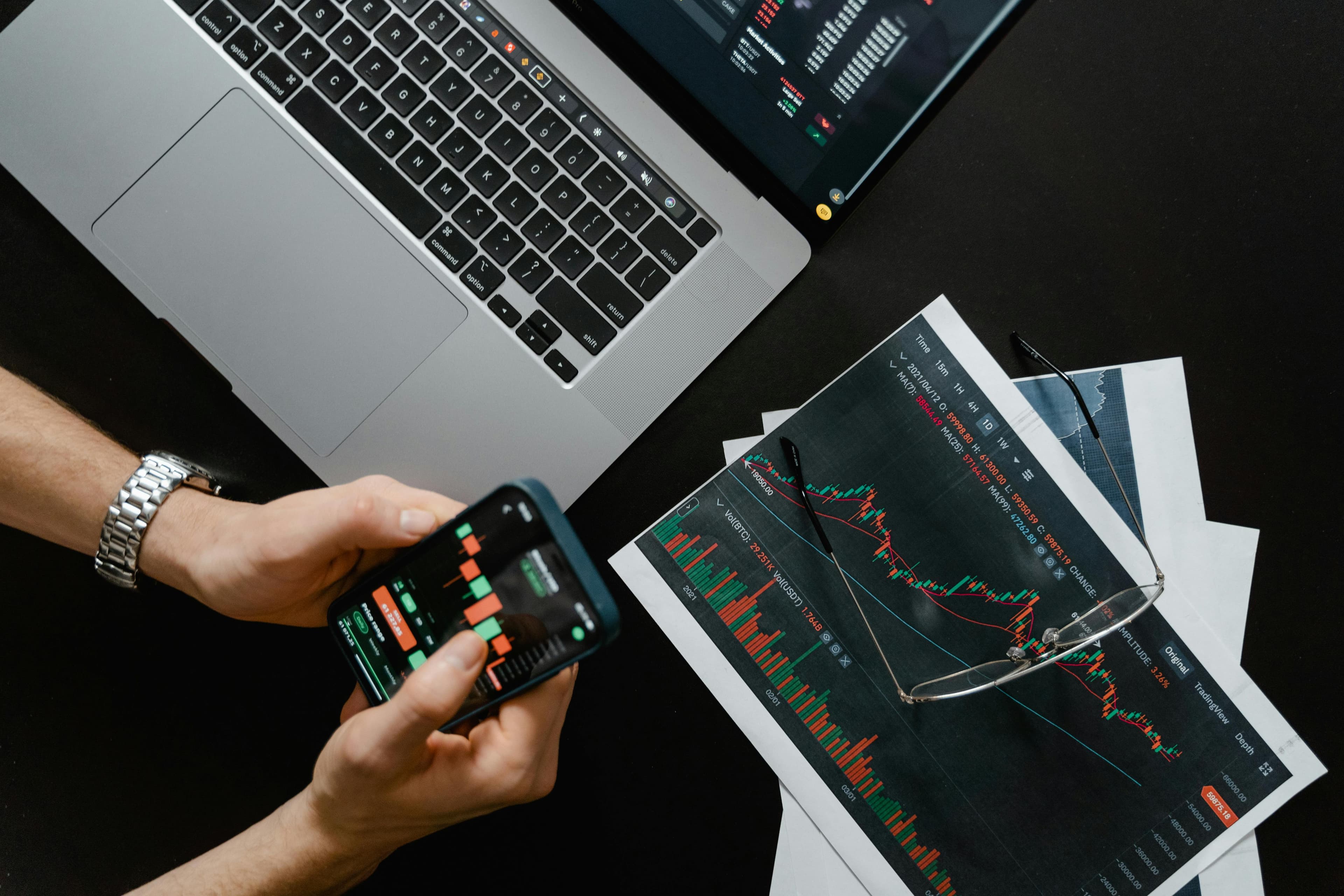
How to Use SpotMarketCap for Day Trading?
Complete platform walkthrough for commodity day traders. Learn to monitor real-time prices, set up watchlists, use charts, analyze futures curves, and integrate SpotMarketCap into your trading strategy.
Day trading commodities demands split-second decisions, real-time information, and tools that don't fail when markets move fast. While stocks and cryptocurrencies dominate day trading conversations, commodities offer unique opportunities—high volatility, clear technical patterns, and global market forces that create predictable intraday movements. The challenge? Finding a platform that delivers the real-time commodity pricing, analysis tools, and market data that day traders need without the complexity and cost of enterprise terminals.
SpotMarketCap has emerged as the go-to platform for commodity day traders who need institutional-quality data with retail-friendly accessibility. Whether you're trading crude oil futures, gold contracts, agricultural commodities, or industrial metals, SpotMarketCap provides real-time spot prices, futures curves, comparative analysis, and market intelligence that transforms how you identify opportunities and execute trades. This comprehensive guide will show you exactly how to leverage SpotMarketCap's powerful features to enhance your day trading performance, from setting up your workspace to integrating the platform into sophisticated trading strategies.
SpotMarketCap for Day Trading at a Glance
Data Update Speed
Real-Time
Live spot and futures prices
Commodities Tracked
100+ Assets
Energy, metals, agriculture
Core Features: Real-time pricing · Futures curves · Comparative analysis · Watchlists · Charts · Market data
Why Day Traders Need SpotMarketCap
Day trading commodities is fundamentally different from trading equities or cryptocurrencies. Commodity markets are driven by physical supply and demand, geopolitical events, weather patterns, and complex interrelationships between related assets. Success requires not just seeing price movements, but understanding the context behind them— something traditional trading platforms often fail to provide.
SpotMarketCap addresses the specific challenges commodity day traders face:
Real-Time Data Without Enterprise Costs
Professional commodity traders at banks and hedge funds rely on Bloomberg terminals costing $24,000+ annually. SpotMarketCap democratizes access to institutional-quality real-time spot prices, futures data, and market information at a fraction of the cost. You get the data edge professionals have without the enterprise price tag.
Comprehensive Coverage Across Commodity Classes
Most platforms specialize in one asset class—stocks, crypto, or forex. SpotMarketCap provides comprehensive coverage of energy commodities (crude oil, natural gas, gasoline), precious metals (gold, silver, platinum, palladium), industrial metals (copper, aluminum, nickel, zinc), and agricultural products (wheat, corn, soybeans, coffee). This breadth allows you to spot inter-commodity relationships and sector rotations that create trading opportunities.
Context Beyond Price
Seeing that crude oil is up 2% today isn't enough—you need to know why. SpotMarketCap integrates market context, showing you the futures curve structure (contango or backwardation), historical price ranges, percentage changes, and comparative performance against related commodities. This contextual intelligence helps you distinguish genuine breakouts from false moves.
Speed and Reliability When It Matters
During volatile market conditions—OPEC announcements, geopolitical crises, weather events affecting crops—commodity prices can move violently. SpotMarketCap's infrastructure delivers real-time updates without lag or downtime. When crude oil spikes $5 in minutes, you see it immediately, not after a delay that costs you the trade.
Getting Started: Setting Up Your SpotMarketCap Workspace
Effective day trading requires an organized workspace where critical information is immediately accessible. Here's how to configure SpotMarketCap for optimal day trading performance.
Understanding the Dashboard Layout
When you first visit SpotMarketCap, you encounter a comprehensive dashboard displaying real-time commodity prices organized by category. The main page shows:
- Category Navigation: Quick access to Energy, Precious Metals, Industrial Metals, and Agricultural commodities
- Price Tables: Sortable listings showing current prices, 24-hour changes, percentage movements, and market capitalization
- Search Functionality: Instant search to find any commodity quickly
- Visual Indicators: Color-coded price movements (green for gains, red for losses) for rapid visual assessment
For day trading, organize your browser with SpotMarketCap in a dedicated window or tab alongside your brokerage trading platform and charting software. Many traders use multiple monitors with SpotMarketCap displayed continuously for constant market monitoring.
Customizing Your View
SpotMarketCap allows you to customize your experience to focus on the commodities you trade:
- Filter by Category: If you exclusively trade energy commodities, filter to show only energy assets, reducing visual clutter and improving focus
- Sort by Criteria: Sort commodities by price change percentage to immediately identify which assets are moving most aggressively—exactly what day traders need to spot opportunities
- Bookmark Key Pages: Bookmark individual commodity detail pages for assets you trade frequently, enabling instant access with a single click
Monitoring Real-Time Prices: The Core of Day Trading
Real-time price monitoring is the foundation of successful commodity day trading. SpotMarketCap's real-time pricing engine ensures you're trading on current information, not stale data that could cost you money.
Understanding Spot vs. Futures Prices
SpotMarketCap displays both spot prices (for immediate delivery) and futures prices (for future delivery). Understanding this distinction is crucial for day traders:
- Spot Prices: The current market price for immediate physical delivery. Spot prices reflect real-time supply and demand in physical markets and serve as the benchmark for futures contracts
- Futures Prices: Prices for delivery at future dates. Day traders typically trade futures contracts, so monitoring both spot and futures prices reveals the relationship between them—critical for understanding market structure
For example, if you see crude oil spot trading at $85 per barrel while front-month futures trade at $83, the market is in backwardation—a signal of supply tightness that often precedes further price increases. This insight helps you decide whether to go long or short.
Interpreting Real-Time Price Changes
SpotMarketCap displays price changes in both absolute terms (dollars/ounces/bushels) and percentage terms. For day trading, focus on percentage changes to identify volatility:
- 0-1% moves: Normal daily fluctuation, limited day trading opportunities unless you're scalping
- 1-3% moves: Significant movement that warrants investigation—check news and catalysts
- 3%+ moves: Major movement often driven by specific events—prime day trading opportunities if you can identify the catalyst and direction
When you spot unusual price action, click through to the detailed commodity page for deeper analysis. SpotMarketCap's detailed pages provide historical context, showing whether today's move is exceptional or within normal ranges.
Using Price Alerts and Notifications
While SpotMarketCap currently provides real-time display, effective day traders set up additional monitoring using browser tabs or third-party alert services. Keep SpotMarketCap open continuously and refresh periodically (or use auto-refresh browser extensions) to catch price movements immediately.
A practical approach: Set up a dedicated monitor or laptop screen with SpotMarketCap displaying your primary trading commodities. Use the sort functionality to rank by percentage change, instantly highlighting which commodities are moving most aggressively.
Building and Managing Watchlists
Professional day traders don't watch hundreds of assets—they maintain focused watchlists of high-probability opportunities. While SpotMarketCap doesn't have a built-in watchlist save feature yet, you can create effective watchlists using simple techniques:
Creating a Physical Watchlist
Maintain a document or spreadsheet listing the specific commodities you trade, with bookmarks to their SpotMarketCap pages. A sample watchlist structure:
- Primary Targets: 3-5 commodities you trade most frequently (e.g., WTI Crude Oil, Gold, Natural Gas)
- Secondary Opportunities: 5-10 commodities you monitor for exceptional opportunities (e.g., Copper, Silver, Brent Crude, Gasoline)
- Correlation Assets: Related commodities that inform your primary trades (e.g., if trading crude oil, monitor natural gas and refined products)
Scanning for Opportunities
Each morning before market open, conduct a systematic scan using SpotMarketCap:
- Review overnight price changes: Check Asian and European commodity price movements that occurred while U.S. markets were closed
- Identify top movers: Use SpotMarketCap's sort function to rank commodities by 24-hour percentage change—these are your initial candidates
- Check related assets: If crude oil is up 3%, check gasoline, heating oil, and natural gas for sympathy moves or divergences
- Verify with context: Click into detail pages to see if price movements are within historical norms or represent genuine breakouts
This systematic approach ensures you start each trading day with a clear list of potential opportunities based on actual price action, not speculation.
Monitoring Multiple Timeframes
Successful day trading requires understanding multiple timeframes simultaneously. Use SpotMarketCap to monitor:
- Intraday movements: Real-time price changes showing immediate market direction
- Daily changes: 24-hour percentage changes indicating whether today represents continuation or reversal
- Weekly/monthly trends: Broader context from historical data available on detailed commodity pages
By monitoring multiple timeframes, you avoid the common day trading mistake of going long into resistance or short into support. SpotMarketCap's display of recent ranges and historical context helps you identify these critical levels.
Using Charts and Technical Analysis
While SpotMarketCap focuses on real-time pricing and market data, it integrates perfectly with technical analysis workflows that day traders rely on.
Integrating SpotMarketCap with Charting Platforms
Most day traders use dedicated charting software like TradingView, Thinkorswim, or MetaTrader for detailed technical analysis. SpotMarketCap complements these platforms by providing:
- Price verification: Confirm that your charting platform's prices match real-time spot and futures prices on SpotMarketCap
- Broad market context: See how your target commodity is performing relative to its sector and related assets
- Quick reference: Access exact current prices without navigating through complex charting menus
A typical workflow: Identify moving commodities on SpotMarketCap, then switch to your charting platform to analyze the technical setup. If the technical pattern confirms the opportunity SpotMarketCap highlighted, execute your trade through your broker.
Understanding Futures Curves for Market Structure
One of SpotMarketCap's most valuable features for commodity traders is futures curve visualization. The futures curve shows the price relationship between contracts with different delivery dates, revealing crucial information about market structure:
- Contango: Upward-sloping curve where distant futures are more expensive than near-term contracts—indicates adequate current supply
- Backwardation: Downward-sloping curve where spot and near-term futures exceed distant contracts—signals supply tightness and often precedes further rallies
Day traders use futures curve structure for directional bias. If crude oil is in steep backwardation, this structural feature suggests bullish conditions favor long trades over shorts. Conversely, steep contango indicates bearish market structure.
Identifying Key Support and Resistance Levels
SpotMarketCap's historical price data on individual commodity pages helps identify key technical levels. While you'll use charting software for detailed analysis, SpotMarketCap provides quick reference for:
- 52-week highs and lows: Extreme levels that often act as psychological resistance and support
- Recent price ranges: Understanding normal trading ranges helps identify breakout opportunities
- Round number levels: Gold at $2,000, oil at $80—these psychologically significant levels often see increased trading activity
Comparing Commodities: Finding Relative Strength and Weakness
One of SpotMarketCap's most powerful features for day traders is the ability to quickly compare related commodities, identifying relative strength and weakness that creates trading opportunities.
Sector Comparison for Momentum Trading
Commodities within the same sector often move together, but divergences create opportunities. SpotMarketCap's category organization makes sector analysis effortless:
Energy Sector Example: If WTI Crude Oil is up 2.5% but Brent Crude is up only 1.0%, this divergence might indicate regional supply dynamics or spread trading opportunities. Similarly, if crude is rallying but refined products (gasoline, heating oil) are lagging, it suggests the crude rally may be unsustainable.
Metals Sector Example: When gold and silver both rally but gold gains 1.5% while silver gains 3.0%, silver is showing relative strength—often signaling industrial demand strength or speculative momentum that day traders can exploit.
Cross-Commodity Relationships
Certain commodity relationships provide valuable trading signals:
- Gold vs. Silver Ratio: When this ratio hits extremes, it often mean-reverts, creating pair trading opportunities
- Crude Oil vs. Natural Gas: Energy substitution and production dynamics create tradable relationships
- Copper vs. Gold: The copper-gold ratio indicates economic growth expectations—rising ratio suggests risk-on environment
- Corn vs. Soybeans: Agricultural planting decisions and weather affect these crops differently, creating spread opportunities
SpotMarketCap displays all these commodities with real-time prices, allowing you to quickly calculate ratios and identify when relationships deviate from historical norms. Open multiple commodity pages in different tabs for instant cross-commodity analysis.
Identifying Leaders and Laggards
During sector-wide movements, some commodities lead while others lag. Identifying leaders helps you focus on the strongest opportunities:
Use SpotMarketCap's sorting functionality to rank commodities within a sector by percentage change. The top 2-3 performers are exhibiting relative strength and are typically the best day trading candidates for continuation moves. Conversely, laggards may offer reversal or catch-up opportunities if the sector move continues.
Integration with Day Trading Strategies
SpotMarketCap enhances specific day trading strategies commonly used in commodity markets. Here's how to integrate the platform into various approaches:
Momentum Trading with SpotMarketCap
Momentum traders seek assets with strong directional movement. SpotMarketCap excels at identifying momentum opportunities:
- Morning scan: Sort all commodities by 24-hour percentage change to instantly identify which assets have momentum
- Confirm with volume indicators: Check if the price move is accompanied by increased trading volume (visible through your broker or futures exchange data)
- Assess sustainability: Review the commodity's detail page to see if today's move exceeds recent volatility—exceptional moves are more likely to continue intraday
- Enter in direction of momentum: Go long on strong gainers, short on weak losers, using your technical analysis to time entry
- Monitor continuously: Keep SpotMarketCap open to watch for momentum exhaustion (price stalling or reversing)
Breakout Trading with Real-Time Confirmation
Breakout traders identify key levels and enter when price decisively breaks through. SpotMarketCap provides the real-time confirmation needed:
Identify key resistance levels using your charts. As price approaches these levels, monitor SpotMarketCap's real-time price feed. When price breaks through resistance with conviction, SpotMarketCap confirms the breakout in real-time. This confirmation is critical because false breakouts are common—seeing sustained price movement above resistance on SpotMarketCap increases confidence before committing capital.
News-Based Trading with Context
Commodity prices react violently to news—weather events, geopolitical tensions, economic reports, inventory data. SpotMarketCap helps you react appropriately:
- When news breaks: Immediately check SpotMarketCap to see real-time price reaction across related commodities
- Assess magnitude: Compare today's price move to historical ranges on the detail page—is this an overreaction or justified?
- Identify secondary opportunities: Major news often affects related commodities with a slight delay—SpotMarketCap helps you spot these follow-on moves
Example: The USDA releases a bearish corn crop report. Corn futures immediately drop 3%. Using SpotMarketCap, you quickly check soybeans, wheat, and other grains to see if they're responding proportionally, identifying which grains are showing relative strength or weakness that creates trading opportunities.
Reversal and Mean Reversion Strategies
Commodities often exhibit mean-reversion characteristics, especially during intraday trading. SpotMarketCap helps identify overextended moves:
When a commodity shows an extreme percentage move (3%+ in commodities like gold or oil), check its detail page on SpotMarketCap to see historical volatility. If today's move significantly exceeds normal daily ranges, it may be overextended and ripe for mean reversion. This doesn't mean automatically fading the move—but it alerts you to watch for reversal signals on your charts.
Spread Trading Between Related Commodities
Sophisticated commodity traders use spread strategies—simultaneously buying one commodity while shorting a related one. SpotMarketCap makes spread identification easier:
Open tabs for related commodities (e.g., WTI Crude and Brent Crude, or gold and silver). Monitor the price relationship throughout the day. When the spread widens or narrows beyond historical norms, spread trading opportunities emerge. SpotMarketCap's real-time pricing lets you calculate spreads instantly and identify entry points.
Best Practices for Day Trading with SpotMarketCap
Maximize SpotMarketCap's value for day trading by following these proven best practices:
1. Establish a Pre-Market Routine
Successful day traders start each day with a systematic routine. Make SpotMarketCap part of yours:
- 6:00-7:00 AM: Review overnight commodity price movements in Asian and European markets using SpotMarketCap
- 7:00-8:00 AM: Identify top 5 commodities showing significant moves— these are your initial watchlist candidates
- 8:00-9:00 AM: Deep dive into each candidate's detail page, review futures curves, check historical context
- 9:00-9:30 AM: Prepare your trading plan—which commodities you'll trade, what levels you're watching, what your bias is
2. Keep SpotMarketCap Constantly Visible
Day trading requires constant market awareness. SpotMarketCap should be continuously visible during trading hours:
- Dedicate one monitor exclusively to SpotMarketCap (if using multiple monitors)
- Keep a browser window with SpotMarketCap tabs for your watchlist commodities
- Refresh periodically or use auto-refresh extensions to ensure data is current
- Glance at SpotMarketCap every 5-10 minutes to catch emerging moves
3. Use SpotMarketCap for Trade Verification
Before executing any trade, verify conditions using SpotMarketCap:
- Confirm price: Ensure your broker's price matches SpotMarketCap's real-time price
- Check related assets: Verify that related commodities confirm your trade thesis
- Review market structure: Check futures curve to ensure it supports your directional bias
- Assess move magnitude: Confirm the price move isn't already overextended
4. Monitor Comparative Performance
Don't just watch your position—monitor how it's performing relative to the sector:
If you're long crude oil and it's up 0.5% but natural gas is up 2.0% and gasoline is up 1.5%, your position is underperforming the energy sector. This relative weakness might signal it's time to exit or switch to stronger assets. SpotMarketCap's sector organization makes this comparative analysis effortless.
5. Review End-of-Day Performance
After market close, use SpotMarketCap for post-trading analysis:
- Review which commodities showed the largest moves—did you identify them?
- Check if commodities you traded showed relative strength or weakness versus their sectors
- Note any unusual futures curve changes that might signal tomorrow's opportunities
- Document patterns you observed for future reference
Why Understanding How to Use SpotMarketCap Matters for Your Trading Success
SpotMarketCap isn't just another market data website—it's a competitive advantage that levels the playing field between retail commodity traders and institutional professionals. Here's why mastering this platform directly impacts your profitability:
- Information Edge Without Enterprise Costs: Professional commodity traders at banks and hedge funds rely on expensive terminals costing $24,000+ annually. SpotMarketCap delivers institutional-quality real-time data at a fraction of the cost, giving you the same information advantage that professionals have—critical for making informed split-second decisions.
- Faster Opportunity Identification: Day trading success depends on identifying opportunities before everyone else. SpotMarketCap's real-time updates and sortable interfaces let you spot moving commodities in seconds rather than minutes. When crude oil starts spiking, every second counts—being first to identify and act on the move often means the difference between profit and missing the opportunity entirely.
- Contextual Intelligence Prevents Costly Mistakes: Seeing a 2% price move without context can lead to devastating mistakes—is this a breakout or an overextension? SpotMarketCap's futures curves, historical ranges, and comparative data provide the context that prevents chasing overextended moves or fading legitimate breakouts.
- Multi-Asset Visibility Creates More Opportunities: Commodity markets are interconnected—crude oil affects gasoline and heating oil, copper signals economic strength, gold correlates with risk sentiment. SpotMarketCap's comprehensive coverage across energy, metals, and agriculture lets you identify correlation plays and sector rotations that single- commodity traders miss entirely.
- Verification Reduces Execution Errors: Bad fills and execution errors destroy day trading profitability. Using SpotMarketCap to verify prices before and during execution ensures you're not getting filled at terrible prices due to broker delays or bad data. This verification habit saves money on every trade.
In practical terms, a day trader using SpotMarketCap gains an extra 30-60 seconds of awareness on market moves, spots 2-3 additional trading opportunities per day through comparative analysis, and avoids 1-2 bad trades per week by having proper context. Over a month, this translates to significantly improved performance—potentially the difference between profitable and unprofitable trading.
Common Mistakes to Avoid
Even with powerful tools like SpotMarketCap, day traders make predictable mistakes that reduce profitability. Avoid these common errors:
Mistake 1: Relying Solely on Price Movement
The Error: Seeing a commodity up 2% and immediately buying without checking context, related assets, or futures curve structure.
The Solution: Always click through to the detailed commodity page on SpotMarketCap before trading. Check if the move is exceptional or within normal ranges, review futures curve structure, and compare to related commodities. This 30-second check prevents chasing overextended moves.
Mistake 2: Ignoring Related Commodities
The Error: Trading crude oil in isolation without checking gasoline, heating oil, or natural gas. Missing the broader sector context leads to false confidence or missing warning signals.
The Solution: Always check related commodities before entering positions. If crude oil is rallying but refined products are flat or declining, the crude rally may lack conviction. SpotMarketCap's category organization makes this comparison effortless.
Mistake 3: Trading Without Historical Context
The Error: Viewing a 1% gold move as significant when gold frequently moves 1% daily, or dismissing a 3% agricultural commodity move as normal when it's highly exceptional.
The Solution: Use SpotMarketCap's historical data on detail pages to understand normal versus exceptional moves for each commodity. What's volatile for gold may be calm for natural gas—context matters.
Mistake 4: Failing to Monitor Positions Actively
The Error: Entering a position based on SpotMarketCap data, then ignoring it until exit time. Market conditions change rapidly—a bullish setup can turn bearish in minutes.
The Solution: Keep SpotMarketCap visible throughout your trade. If relative strength deteriorates, futures curve structure changes, or related commodities diverge, these are warning signals to reassess or exit positions.
Mistake 5: Overtrading Based on Minor Movements
The Error: Seeing every 0.5% move on SpotMarketCap as a trading opportunity, leading to excessive trading, transaction costs, and burnout.
The Solution: Establish minimum criteria for trades—perhaps only trading when percentage moves exceed 1.5%, or when multiple confirming factors align. SpotMarketCap shows all market movements, but discipline means trading only the best opportunities.
Advanced Techniques for Experienced Traders
Once you've mastered basic SpotMarketCap usage, these advanced techniques can further enhance your day trading:
Futures Curve Analysis for Directional Bias
Beyond simply noting contango or backwardation, experienced traders analyze the steepness and changes in futures curves:
- Steepening backwardation: Indicates tightening supply, strong bullish signal
- Flattening backwardation: Supply concerns easing, potentially bearish
- Steepening contango: Increasing supply abundance, bearish signal
- Flattening contango: Supply-demand coming into balance, potential bullish shift
Monitor how curves change throughout the day using SpotMarketCap—shifts in curve structure often precede larger directional moves.
Ratio Analysis for Pair Trades
Use SpotMarketCap to track key commodity ratios intraday:
- Gold/Silver Ratio: Historical mean around 60-70; extremes create reversion opportunities
- Brent/WTI Spread: Normally $2-5; unusual widening or narrowing suggests geopolitical or supply changes
- Corn/Wheat Ratio: Shifts indicate crop conditions or demand changes
Open multiple tabs with the relevant commodities and manually calculate ratios throughout the day. When ratios hit historical extremes, pair trading opportunities emerge.
Using Multiple Timeframe Confirmation
While SpotMarketCap primarily shows current and recent prices, integrate it with longer timeframe analysis:
Before day trading, check weekly and monthly trends using your charting platform. Use SpotMarketCap for intraday monitoring, but ensure your intraday trades align with longer timeframe trends. Trading gold long intraday when it's in a strong weekly uptrend has higher probability than trading against the major trend.
Key Takeaways
Let's summarize the essential points about using SpotMarketCap for day trading:
- SpotMarketCap provides institutional-quality commodity data at retail accessibility, delivering real-time spot and futures prices across energy, metals, and agriculture
- Real-time price monitoring is the foundation, with SpotMarketCap's live updates ensuring you trade on current information, not stale data
- Sorting by percentage change instantly identifies opportunities, highlighting which commodities have momentum and volatility suitable for day trading
- Futures curve analysis reveals market structure, with backwardation suggesting bullish conditions and contango indicating bearish structure
- Comparative analysis across related commodities creates additional opportunities, identifying relative strength and weakness within sectors
- Integration with existing trading workflows enhances decision quality, using SpotMarketCap alongside charting platforms and broker interfaces
- Systematic pre-market routines using SpotMarketCap improve preparation, ensuring you start each day with a clear watchlist and trading plan
- Continuous monitoring during trading hours catches emerging moves, keeping SpotMarketCap visible throughout the session
- Verification before execution reduces errors, confirming prices and context before committing capital
- Avoiding common mistakes like ignoring context or related assets improves performance, with SpotMarketCap providing the data needed to trade intelligently
Related Topics on SpotMarketCap
Conclusion
Day trading commodities demands tools that deliver accurate, real-time information with the context needed to make informed decisions under pressure. SpotMarketCap has emerged as the essential platform for commodity day traders who need institutional-quality data without enterprise costs, comprehensive coverage across commodity classes, and the comparative intelligence that transforms price movements into profitable opportunities.
Throughout this guide, we've explored how to leverage SpotMarketCap's powerful features— from setting up an optimal workspace and monitoring real-time prices, to building focused watchlists and conducting comparative analysis that identifies relative strength and weakness. We've demonstrated how to integrate the platform into specific trading strategies including momentum trading, breakout trading, news-based trading, and spread trading. And we've covered best practices that maximize the platform's value while avoiding common mistakes that reduce profitability.
The beauty of SpotMarketCap lies in its simplicity and accessibility. You don't need a $24,000 Bloomberg terminal or complex proprietary software to access the commodity market intelligence that professionals use. SpotMarketCap democratizes this information, giving retail traders the same data edge that institutional traders have relied on for decades. When crude oil spikes on geopolitical news, when copper rallies on manufacturing data, when gold surges on risk-off sentiment—you see it in real-time, with the context needed to decide whether to act.
Success in commodity day trading isn't about predicting the future—it's about reacting intelligently to present conditions with better information than other traders. SpotMarketCap gives you that information advantage. While others are checking delayed data or navigating complex interfaces, you're instantly seeing which commodities are moving, understanding why through futures curve analysis, and identifying related opportunities through comparative sector analysis.
Remember that SpotMarketCap is a tool, not a crystal ball. It shows you what's happening in real-time and provides context, but trading decisions remain yours. The platform maximizes its value when combined with sound risk management, technical analysis skills, trading discipline, and continuous learning. Use SpotMarketCap to identify and verify opportunities, but execute trades based on complete analysis including technicals, fundamentals, and proper position sizing.
As you integrate SpotMarketCap into your daily trading routine, you'll develop patterns and workflows that match your personal style. Some traders keep it continuously visible on a dedicated monitor, others check it systematically every 15 minutes. Some focus on percentage change rankings to find momentum, others monitor specific futures curves for structural changes. The platform is flexible enough to support multiple approaches while powerful enough to enhance any commodity trading strategy.
The commodity markets offer tremendous opportunities for day traders—volatility creates profit potential, global factors drive predictable movements, and technical patterns work reliably across these asset classes. SpotMarketCap ensures you're equipped to identify and capitalize on these opportunities with the real-time data, contextual intelligence, and comparative analysis that separate successful commodity traders from the crowd.
Start incorporating SpotMarketCap into your trading today. Open it before market open, identify the top movers, check futures curves, compare related commodities, and verify prices before executing. Within days, you'll wonder how you ever traded commodities without this essential platform. Your trading performance will reflect the information advantage you've gained—and that's the ultimate measure of any trading tool's value.
Track Real-Time Asset Prices
Get instant access to live cryptocurrency, stock, ETF, and commodity prices. All assets in one powerful dashboard.
Related Articles

How to Start Investing in Commodities?
Complete beginner's guide to commodity investing. Learn about ETFs, futures, stocks, and physical commodities. Discover the best brokers, strategies, and how to get started with as little as $50.

How to Read a Commodity Chart?
Master commodity chart reading with our complete guide. Learn candlesticks, support/resistance, technical indicators (RSI, MACD), and how to identify trading opportunities like a pro.
How to Calculate Commodity Returns?
Master commodity return calculations including roll costs, storage fees, contango/backwardation impact, and total return formulas. Learn why commodity ETF returns differ from spot price changes.